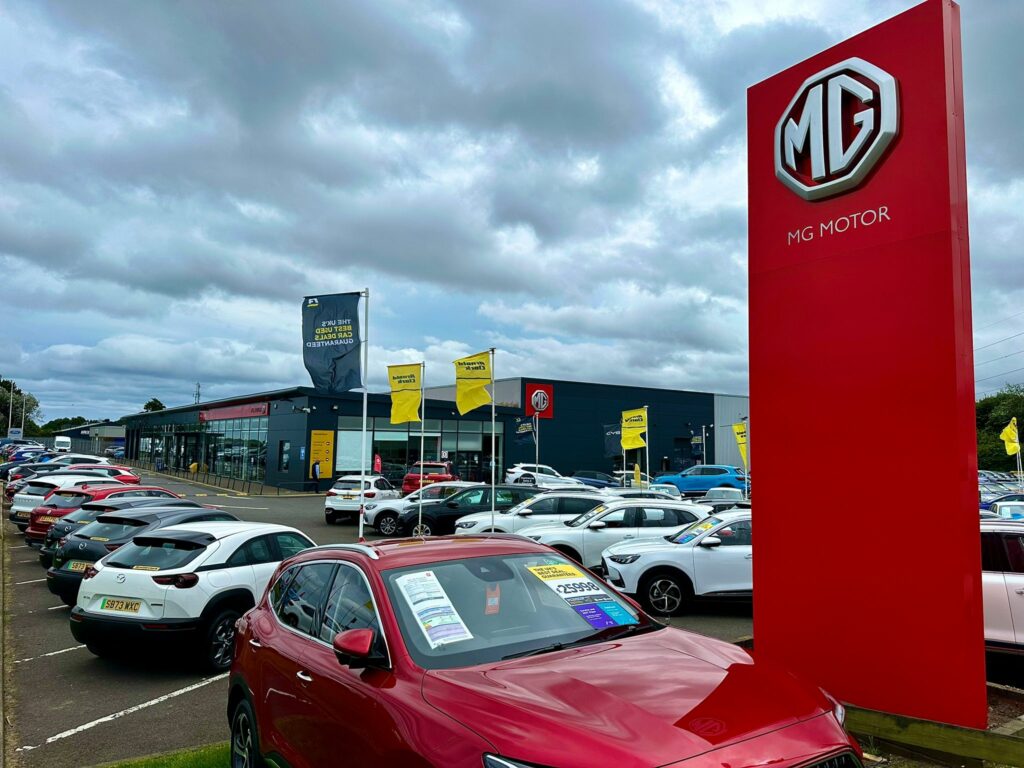
Totem signs are some of the biggest, eye-catching pieces of signage that can be installed on a commercial site.
It’s not just their height – though they can stand to a gargantuan 14m tall or even higher.
It’s their weight too. Traditionally crafted from wood, modern totems are now mostly constructed out of metal (aluminium or steel usually), acrylic or composite panels. They need to be durable to withstand harsh weather conditions like wind and rain. This design evolution underscores the importance of erecting a sign of this magnitude with the utmost precision, to ensure safety as well as durability.
At SPI we have the in-house capabilities and necessary qualifications to carry out all the crucial stages of safely installing a totem sign, including cat scanning and pull testing.
Read on to understand more about the hidden stages of properly installing totem signs.
Ensuring a Structurally Compliant Design
The totem sign’s journey from concept to reality begins even before the design stage.
-
Pre-survey
Desk based research is carried out at the pre-survey stage to establish if there are any pipe works under the proposed sign location.
-
Survey
A trained operative scans the ground using cat scanning technology and excavations, if necessary, to establish if there is any conflict with existing mains. This informs the design and whether an alternative location or an alternative structural solution will be needed.
SPI has in-house capabilities in cat scanning.
-
Design
At the design stage – which goes well beyond aesthetic appeal – the height, weight, width, foundation and choice of materials gets pinned down. These signs are substantial and must be carefully drawn up to ensure they not only capture attention but stand firm against environmental challenges, like ground conditions and inclement weather.
-
Structural soundness
The structural integrity of the sign is paramount. More important than meeting visibility needs or aligning with a company’s visual brand, your sign must be structurally sound.
All our projects are given the green light by a qualified structural engineer.
The appointed structural engineer assesses and approves the foundation design, taking into account soil conditions and environmental factors. They provide base details including the specification for the steel sub frame to be used, mindful of localised wind loadings for any given site.
They will also specify the fixing detail, including the required kilonewton for pull testing the installed fixings (if not completed via a route cage). Proper anchoring is critical to prevent tilting or collapse. It’s an absolutely crucial step in the process.
-
Manufacture
Only then is it time to make your totem sign.
Armed with the right technical design, you can have confidence that the finished sign will not only look right but is structurally-sound. At SPI we take pride in our commitment to quality and precision so we make sure our steel fabrication process is carried out in accordance with BS EN 1090. In fact, we strive to exceed industry standards, which is why we adhere to BS EN 1090 up to Execution Class 2.
Ensuring a Properly Installed Sign
But there’s still more to it than adhering to a structurally-sound design.
How it’s installed can have a critical impact on the structural integrity of a totem sign.
Even the most well-designed sign can become a hazard if not installed correctly. That’s why the way that fixings are installed matters greatly.
British Standard BS 8539:2012 sets out the detail of specific procedures and tests that must be followed during the installation of a totem sign. This includes testing fixings through pull tests and torque testing. SPI has in-house qualifications on pull testing.
- Conduct a pull test. This will assess the resilience of the fixings against upwards or outward forces.
- Test the torque of your fixings. Over-tightening can weaken the structural integrity, while under-tightening can lead to instability.
Standing as a Testament to Safe and Secure Signage
As a Principal Contractor, we manage complex construction projects with a focus on safety and quality. Our installation teams are led by SMSTS-qualified project managers, who oversee the entire project, from planning to final installation. Their expertise ensures that all site activities are conducted in a safe, structured and compliant manner. From initial survey to ground breaking and final inspection, everything is executed with precision.
Safety comes first at all times. We coordinate the onsite team capable of handling installations of varying height and complexity, ensuring each totem sign meets our high standards and is in line with the British Standard.
Installing a totem sign is a complex process that requires more than just technical know-how. It demands a commitment to safety, precision and regulatory compliance. By adhering to the stringent standards set out in the British Standards and ensuring each installation is overseen by certified professionals, we make sure our totem signs are safe and enduring structures.
Our team is full of certified trained operatives, capable of surveying sites, installing the biggest and heaviest of signs and pull testing newly installed kit. And we always work to exceed the standards set out in BS EN 1090 so you can have the confidence that we can manufacture and erect complex structural components.
If you’re looking to make a significant impact with your signage, that also gives the peace of mind of being properly installed, get in touch.